
Neuroaffirming Autism Assessments
Compassionate autism assessments for children, teenagers and adults in Red Hill, Clayfield and via telehealth.
If you are wondering whether you or your child may be autistic, finding the right psychologist matters.
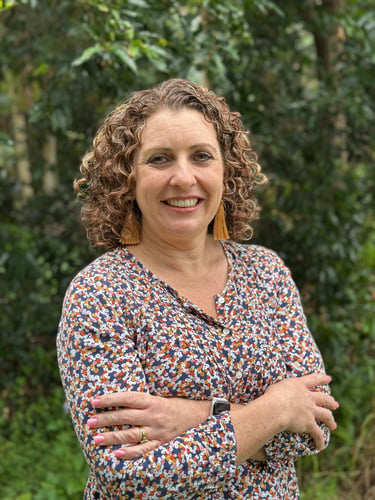
Linda Anderson is a psychologist in Brisbane with experience assessing autism in children, adolescents and adults using a neuroaffirming, evidence-based approach. Assessments are available from clinics in Red Hill and Clayfield, with telehealth appointments available across Australia where clinically appropriate.
Rather than focusing on "what is wrong," Linda's assessments aim to understand how an individual experiences, processes and interacts with the world. Every assessment recognises both strengths and support needs and provides practical recommendations that can make everyday life easier.
Whether you are seeking answers for yourself, your teenager or your child, the goal is to provide clarity, understanding and recommendations that reflect the individual's unique profile.
What is a neuroaffirming autism assessment?
A neuroaffirming autism assessment recognises autism as a natural variation in human neurodevelopment rather than a disorder that needs to be "fixed."
Autistic people often have unique strengths, interests, communication styles, sensory experiences and ways of thinking. A neuroaffirming assessment seeks to understand these differences within the context of the person's life, relationships, education and work.
Linda works collaboratively with clients and families to understand:
communication style
social interaction and relationships
sensory processing
focused interests and passions
executive functioning
emotional regulation
learning style
daily functioning
masking and camouflaging
burnout and wellbeing
strengths and abilities
support needs
The assessment process is respectful, collaborative and designed to help individuals better understand themselves—not encourage them to appear more neurotypical.
What happens during an autism assessment?
Every assessment is tailored to the individual, but generally includes several components to build a comprehensive understanding.
Initial consultation
Linda spends time understanding current concerns, goals, developmental history, strengths and everyday experiences.
Developmental history
For children and, where possible, adults, developmental information from parents or caregivers helps build a picture of early development.
Standardised assessment tools
Evidence-based questionnaires and structured assessment measures are selected according to the individual's age and presentation.
Depending on the assessment, these may include tools that explore autistic characteristics, sensory processing, executive functioning, attention, emotional wellbeing and adaptive functioning.
MIGDAS-2 assessment
Linda uses the MIGDAS-2 (Monteiro Interview Guidelines for Diagnosing Autism Spectrum), a collaborative assessment approach that explores how an individual experiences the world through conversation and shared activities rather than relying solely on observation of social performance.
Diagnostic formulation
Information is integrated with clinical observations and DSM-5-TR diagnostic criteria to determine whether autism best explains the individual's experiences.
Comprehensive written report
Following the assessment, clients receive a detailed report outlining:
assessment findings
diagnostic conclusions where appropriate
strengths
support needs
practical recommendations
recommendations for school, university or workplace adjustments
therapy and support options
recommendations for further assessment if indicated.
Why choose Linda Anderson?
Families and adults often choose Linda because assessments are:
Neuroaffirming
Every person is understood within the context of neurodiversity rather than viewed through a deficit-based lens.
Evidence-based
Assessments combine developmental history, clinical interviews, validated assessment measures, behavioural observations and DSM-5-TR diagnostic criteria.
Individualised
No two autistic people are alike. Every assessment is tailored to the individual's experiences, strengths and goals.
Compassionate
Many clients have experienced years of misunderstanding, masking or feeling "different." Linda provides a respectful and supportive assessment environment where clients feel heard.
Practical
Reports include recommendations that can be used at home, school, university or work and provide guidance for ongoing support.
Common reasons people seek an autism assessment
People often contact Brisbane Child & Youth Psychology because they are wondering:
Could my child be autistic?
Why does my child struggle socially despite being very bright?
Should I have my child assessed - or will this lead to social stigma?
Why does my teenager become overwhelmed so easily?
Have I been masking autism my whole life?
Could autism explain my sensory sensitivities?
Is it autism, ADHD or both?
Why do I feel exhausted after social situations?
Why have relationships always felt difficult?
Why have I always felt different?
For many people, receiving an assessment provides a framework for understanding lifelong experiences with greater self-compassion.
Book an Autism Assessment in Brisbane
Linda Anderson provides neuroaffirming autism assessments for children, adolescents and adults from clinics in Red Hill and Clayfield, with telehealth appointments available across Australia.
If you are looking for an experienced psychologist who values collaboration, evidence-based practice and neurodiversity, Child & Youth Psychology is here to help.
Contact us to learn more about the assessment process or to book an appointment.
Psychologist: Linda Anderson, Clinical Psychology Registrar
Assessment type: Neuroaffirming autism assessments
Clients: Children, adolescents and adults
Locations: Red Hill and Clayfield, Brisbane
Telehealth: Australia-wide where clinically appropriate
Approach: Evidence-based, neuroaffirming, collaborative
At a glance...
FAQs
Are autism assessments available by telehealth?
Linda offers autism assessments in Red Hill and Clayfield (Brisbane) and via telehealth.
Do I need a referral for an autism assessment?
No - you don't need a referral for an autism assessment. With the way that Linda conducts assessments, most people are able to claim a rebate on up to 3 sessions via a GP MHTP. Linda also accepts referrals for Complex Neurodevelopmental Conditions via Paediatricians and Psychiatrists. These attract a rebate for 4 assessment sessions and are available to under 25s.
How long does assessment take?
Every assessment is different. The process usually involves questionnaires, interviews, assessment sessions, scoring, interpretation and preparation of a comprehensive written report. Typically, assessment reports take a few weeks to write after the assessment sessions are complete.
Is it suitable for adults?
Yes, we provide assessments tailored for adults as well as children and teens. We use slightly different tools depending on the age of the person being assessed, as well as their co-occuring symptoms.
Will I receive a written report?
Yes. Every assessment includes a detailed report with findings, recommendations and, where appropriate, a diagnostic statement.
Can I pay in installments?
Linda charges a $100 deposit when booking an assessment. The assessment is then paid in 3x $700 increments at the first assessment session, the final assessment session and the feedback session.
Linda is happy to complete autism assessments via telehealth for individuals who have good verbal fluency - usually from the early teen years. In clinic assessments are better suited for younger children.
Where can I get my child or myself assessed for Autism?
Isn't it too early to get my child assessed?
No! Some people worry that they might be assessing their child too early, or they might be inviting stigma on their child's experience. Diagnosis often provides relief, containment and understanding of the self and from others. Early intervention is key to preventing stigma by helping young people and those around them accept the ways autism affects their experience.
What does an autism assessment cost?
Linda charges $2200 for Autism assessments using the MIGDAS-2 and a range of other self-reports and parent/teacher reports. Linda screens for ADHD as part of this assessment and she will suggest an ADHD assessment if this seems to be a part of the clinical picture ($300 extra, if required).
How do I book an assessment?
You can contact us via phone or email to schedule your initial assessment consultation.
Subscribe to our newsletter
Receive updates as we publish information related to autism, such as
Understanding Autism
Autism Myths and Facts
Signs of Autism in Primary School Children
Signs of Autism in Teenagers
Autism in Girls
Autism in Women
Autism in Gifted Children
Autism and ADHD (AuDHD)
Autism and Anxiety
Autism and Emotional Regulation
Autism and Sleep
Autism in the Workplace
Friendships and Autism
Parenting an Autistic Child
Supporting an Autistic Teenager
Late Diagnosis in Adults
Contact
info@LindaAndersonPsychology.com
0493 083 314
© 2026. All rights reserved. Brisbane Child and Youth Psychology.